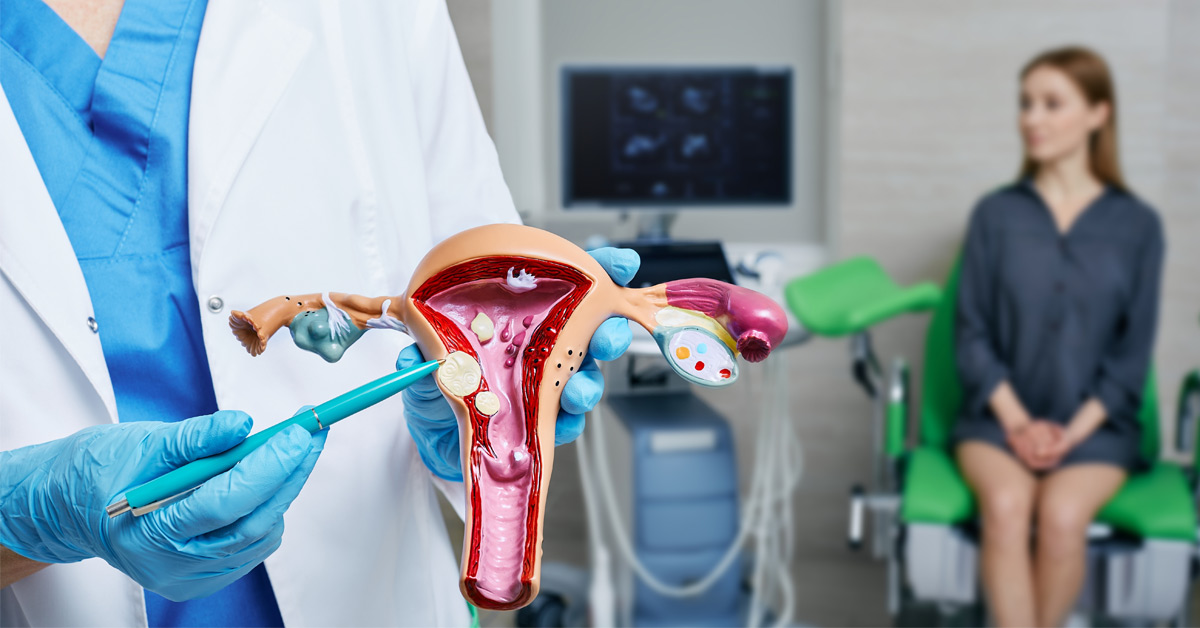
Uterine fibroids are noncancerous growths of the uterus that often appear during childbearing years. These growths, while generally not life-threatening, can lead to uncomfortable symptoms such as heavy menstrual bleeding, pelvic pain, and frequent urination. Treatment options vary depending on the size, number, and location of the fibroids, as well as the patient?s symptoms and reproductive goals. One minimally invasive alternative to surgical procedures is Uterine Fibroid Embolization (UFE), a procedure that has gained recognition for its effectiveness and reduced recovery time.
What is Uterine Fibroid Embolization?
Uterine Fibroid Embolization is a minimally invasive procedure used to treat fibroids by cutting off their blood supply. During the procedure, an interventional radiologist inserts a catheter into the uterine arteries and injects small particles to block the vessels supplying blood to the fibroids, causing them to shrink and die. This method contrasts with traditional surgical options, such as hysterectomy or myomectomy, which involve more extensive surgical interventions.
Key Benefits of Uterine Fibroid Embolization
Minimally Invasive Procedure
UFE is a minimally invasive option, which means:
- Reduced risk of complications compared to open surgery.
- No large incisions, as the procedure is performed through a small puncture in the skin.
- Shorter hospital stays, often allowing patients to return home the same day.
Preservation of the Uterus
For women who wish to maintain their reproductive organs, UFE offers the advantage of preserving the uterus. This is particularly important for those who are planning to have children in the future or who wish to avoid the psychological impact of a hysterectomy.
Effective Symptom Relief
Studies have shown that UFE effectively reduces the symptoms associated with uterine fibroids, including:
- Significant reduction in menstrual bleeding.
- Decreased pelvic pain and pressure.
- Improvement in urinary symptoms and other related discomforts.
Quick Recovery Time
Patients undergoing UFE typically experience a faster recovery period compared to those opting for surgical interventions. Most patients return to normal activities within a week, making this option appealing for those with busy lifestyles.
Considerations and Eligibility
While UFE presents numerous advantages, it is not suitable for everyone. Considerations include:
- Size and number of fibroids: Extremely large or numerous fibroids may require alternative treatment.
- Desire for future pregnancy: Although many women have successful pregnancies after UFE, it is crucial to discuss this with a healthcare provider.
- General health and personal preferences.
Conclusion
Uterine Fibroid Embolization is an effective treatment option for women seeking relief from fibroid-related symptoms while avoiding more invasive surgical procedures. By offering significant symptom relief, preserving the uterus, and allowing for a quick recovery, UFE represents a compelling alternative for many patients. Those interested should consult with their healthcare provider to determine if this procedure aligns with their treatment goals and personal health circumstances.
About the Author