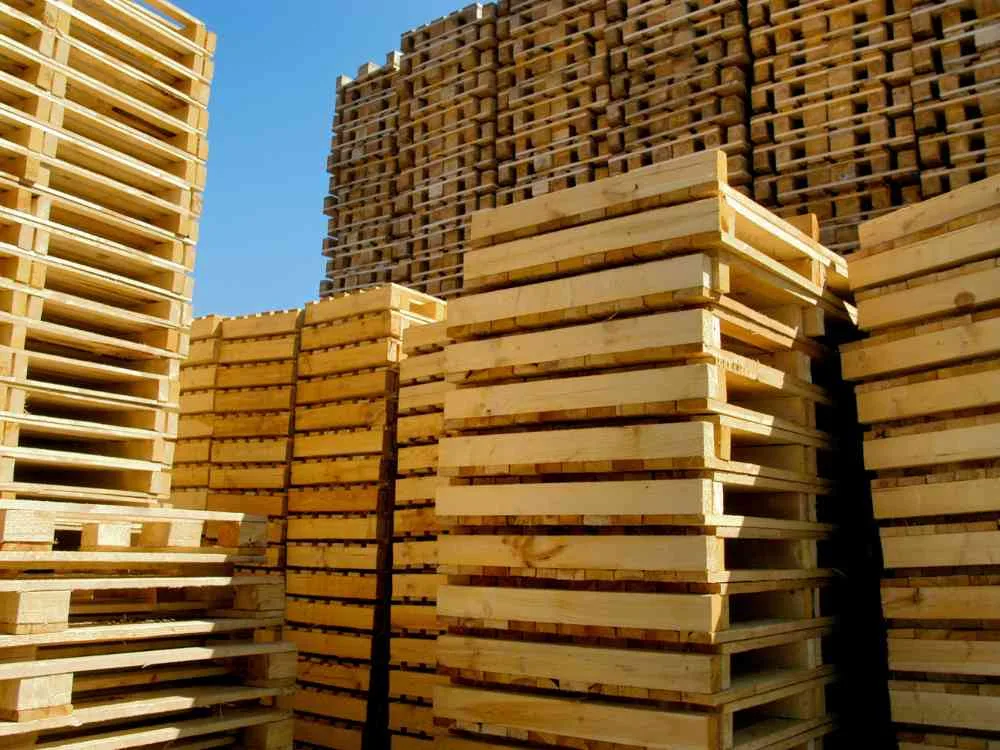
In the arena of logistics and supply chain management, the materials used for shipping can significantly affect the safety and efficiency of transporting goods. Wood pallets have long been a staple in this industry, but not all wood pallets are created equal. One important distinction is whether the pallets are heat-treated. Utilizing heat-treated wood pallets can offer substantial benefits, particularly in terms of safety and compliance with international shipping standards.
Understanding Heat Treated Wood Pallets
Heat treatment is a process that involves applying heat to wooden pallets to eliminate pests and pathogens. This is an essential step to ensure that the pallets are safe for international shipping, as untreated wood can harbor insects and diseases that could spread to other regions. The heat treatment process typically involves heating the wood to a minimum core temperature of 56 degrees Celsius for at least 30 minutes.
Why Heat Treatment Matters
- Compliance with ISPM-15 Standards: Heat-treated pallets comply with the International Standards for Phytosanitary Measures No. 15 (ISPM-15), a requirement for exporting goods internationally. This compliance helps prevent the spread of pests across borders.
- Enhanced Durability: The heat treatment process not only eradicates pests but also enhances the durability of the wood by reducing its moisture content, thus making the pallets less susceptible to warping or breaking.
- Environmental Responsibility: Heat-treated pallets are more environmentally friendly than chemically treated alternatives, as the process does not involve harmful chemicals.
The Safety Benefits of Using Heat Treated Pallets
The use of heat treated pallets offers several safety advantages, both for the products being shipped and the personnel handling them.
Product Protection
- Reduced Risk of Infestation: By eradicating pests through heat treatment, the risk of infestation that might damage goods during transit is significantly minimized.
- Maintained Product Integrity: The structural integrity of heat-treated pallets ensures that they can withstand the rigors of transportation without compromising the safety of the goods.
Worker Safety
- Decreased Chemical Exposure: Unlike chemically treated pallets, heat-treated options do not pose a risk of chemical exposure to workers handling them.
- Improved Handling: The reduced moisture content in heat-treated wood makes the pallets lighter and easier to handle, reducing the risk of workplace injuries.
Logistical Advantages
In addition to safety, using heat treated wood pallets can streamline logistics and enhance operational efficiency.
- Reduced Shipping Delays: With mandatory compliance to international shipping standards, heat-treated pallets reduce the potential for customs delays, ensuring that shipments arrive on time.
- Cost-Effective: Despite a slightly higher initial cost, the longevity and reliability of heat-treated pallets can lead to savings in the long run, minimizing the need for frequent replacements.
- Versatility: Heat-treated pallets are suitable for various types of goods, from perishables to heavy machinery, making them a versatile choice for diverse shipping needs.
Conclusion
The adoption of heat-treated wood pallets reflects a commitment to safety, efficiency, and sustainability in shipping practices. These pallets not only facilitate compliance with international standards but also ensure the protection of goods and personnel involved in the logistics process. As businesses seek to optimize their shipping operations, considering the use of heat-treated pallets can offer a strategic advantage, aligning with both economic and environmental goals.
About the Author