Finding a certified lymphatic drainage massage therapist near you can feel like searching for a needle in a haystack, especially when the benefits of this specialized therapy are so significant. From reducing post-surgical swelling to enhancing immune function, lymphatic drainage offers a gentle yet powerful way to support the body’s natural detox pathways. This guide walks you through the essential steps for locating a qualified professional, understanding what to expect during a session, and ensuring that the therapist you choose meets the highest standards of training and ethics.
Why Choose a Certified Lymphatic Drainage Massage Therapist?
Certification is more than a badge; it confirms that a practitioner has completed rigorous training in the specific techniques that stimulate lymph flow without causing tissue damage. Certified therapists are also required to stay current with continuing education, ensuring they apply the latest research-backed methods.
Key Benefits of Working with a Certified Professional
- Safety and Precision: Proper hand placement and pressure are critical to avoid disrupting delicate lymph vessels.
- Tailored Treatment Plans: Certified therapists assess individual health history to customize sessions.
- Evidence-Based Practice: Ongoing education guarantees alignment with current clinical guidelines.
How to Verify Certification
Before booking, confirm that the therapist holds credentials from a recognized organization such as the Lymphology Association of North America (LANA) or the International Lymphatic Therapy Association (ILTA). Most reputable clinics list these credentials on their website, but a quick phone call can provide additional reassurance.
Steps to Confirm Credentials
- Check the therapist’s profile for certification logos and license numbers.
- Ask about the specific training program completed (e.g., Vodder, F??ldi, or Lymph-Tech).
- Request proof of continuing education credits within the past two years.
Finding a Therapist Near You
Local searches can be refined by using targeted keywords that reflect both the service and location. For example, typing lymphatic drainage massage therapist into a search engine will surface providers that specialize in this technique. Adding a neighborhood name, such as “Queens,” narrows the results to practitioners who are conveniently located.
Effective Search Strategies
- Combine service and area: lymphatic drainage massage queens.
- Use “near me” phrasing for mobile users: lymphatic drainage massage near me.
- Read client testimonials for insight into treatment outcomes and bedside manner.
What to Expect During a Session
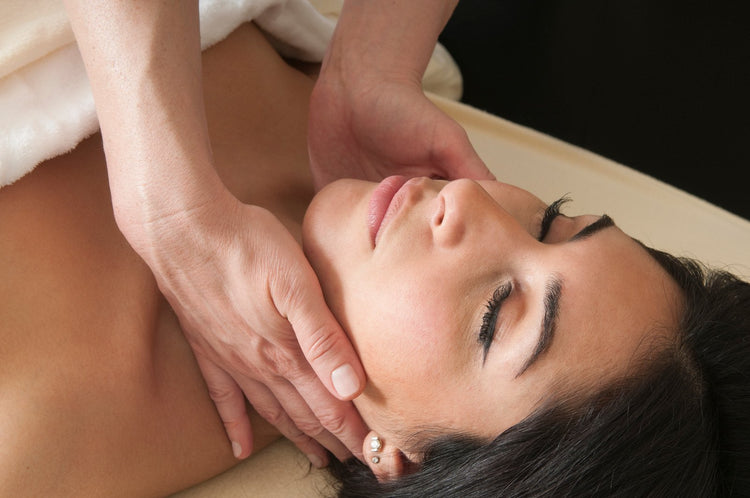
A typical lymphatic drainage session lasts between 60 and 90 minutes and follows a gentle, rhythmic pattern designed to coax fluid toward the lymph nodes. The therapist will begin with a brief consultation to understand your health goals and any contraindications.
Session Flow
- Initial Assessment: Review of medical history, current symptoms, and treatment objectives.
- Gentle Mobilization: Light, superficial strokes that stimulate superficial lymph vessels.
- Targeted Techniques: Focused work on areas of congestion, such as the abdomen, limbs, or neck.
- Post-Session Guidance: Recommendations for hydration, movement, and self-care between appointments.
Questions to Ask Before Booking
Being proactive about the therapist’s approach can prevent misunderstandings and ensure a comfortable experience. Consider the following inquiries:
- What specific lymphatic drainage method do you use, and why?
- Do you have experience treating my particular condition (e.g., post-operative edema, lymphedema, chronic sinusitis)?
- How many sessions do you typically recommend for optimal results?
- What is your policy for follow-up care and adjustments to the treatment plan?
Maintaining Results After Treatment
While a skilled therapist initiates the healing process, lasting benefits often depend on lifestyle choices. Incorporating simple habits can amplify the effects of each session.
Self-Care Practices
- Stay hydrated to support fluid transport.
- Engage in low-impact exercise, such as walking or yoga, to keep lymphatic flow active.
- Practice deep breathing techniques that naturally stimulate the thoracic duct.
- Consider occasional at-home self-massage using light, upward strokes.
Conclusion
Locating a certified lymphatic drainage massage therapist nearby requires a blend of diligent research, clear communication, and an understanding of the therapy’s unique benefits. By verifying credentials, using precise search terms, and asking the right questions, you can confidently choose a practitioner who will deliver safe, effective, and personalized care. The result is a smoother, healthier lymphatic system that supports overall wellness and accelerates recovery from a range of conditions.
About the Author