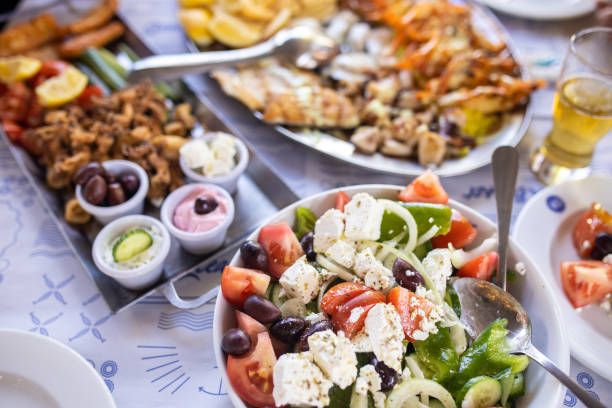
Greek cuisine is a vibrant celebration of flavors, ingredients, and traditions that have been cultivated over centuries. With its roots deeply entrenched in the Mediterranean diet, Greek food offers an array of dishes that are not only delicious but also healthy and balanced. This culinary heritage reflects the rich history and diverse geography of Greece, from the mountainous regions to the coastal areas. The use of locally sourced ingredients such as olive oil, fresh vegetables, herbs, and seafood is a testament to the country’s commitment to preserving its gastronomic traditions. As you delve into the nuances of Greek cuisine, you’ll discover a world of flavors that tell the story of a culture that values family, community, and the simple pleasures of life.
The Essence of Greek Cuisine
The essence of Greek cuisine lies in its simplicity and reliance on fresh, high-quality ingredients. Traditional Greek cooking is characterized by:
- The extensive use of olive oil, a staple in almost every dish.
- Fresh herbs such as oregano, basil, thyme, and mint that add depth and aroma.
- A focus on seasonal vegetables like tomatoes, eggplants, and zucchini.
- Abundant seafood options, reflecting Greece’s proximity to the sea.
- Rich dairy products, including feta cheese and yogurt.
- Grilled meats, particularly lamb and chicken, often marinated with lemon and herbs.
To understand more about the foundational elements of Greek cuisine and its health benefits, explore further insights here.
Iconic Greek Dishes
Greek cuisine boasts a variety of iconic dishes that are celebrated for their unique flavors and textures. Some of the most renowned dishes include:
Moussaka
A quintessential Greek dish, moussaka is a layered casserole made with eggplant, minced meat, and a creamy b??chamel sauce. It is baked to perfection, offering a delightful combination of flavors and textures.
Souvlaki
Souvlaki consists of small pieces of meat and sometimes vegetables grilled on a skewer. Often served with pita bread and a side of tzatziki sauce, it’s a popular street food that embodies the simplicity of Greek cooking.
Learn more in this detailed guide about the diverse range of Greek dishes here.
The Role of Meze
In Greek dining, meze plays a significant role. These small plates are designed to be shared and enjoyed over conversation. They include a variety of cold and hot dishes such as:
- Dolmades – Grape leaves stuffed with rice and herbs.
- Tzatziki – A refreshing dip made with yogurt, cucumber, and garlic.
- Feta cheese drizzled with olive oil and sprinkled with oregano.
- Spanakopita – A savory pastry filled with spinach and feta cheese.
Meze exemplifies the communal aspect of Greek dining, where meals are a time for family and friends to gather and share both food and stories. For additional information on the cultural significance of meze, find additional information here.
Conclusion
Greek cuisine is a testament to the country’s rich cultural heritage and its dedication to healthy living. With its emphasis on fresh, locally sourced ingredients, and its vibrant, flavorful dishes, Greek food offers a unique culinary experience that is both satisfying and nourishing. Whether you are enjoying a simple Greek salad or indulging in a hearty moussaka, the essence of Greek cuisine is sure to captivate your senses. Read more about this topic and explore the rich traditions of Greek food here.
About the Author