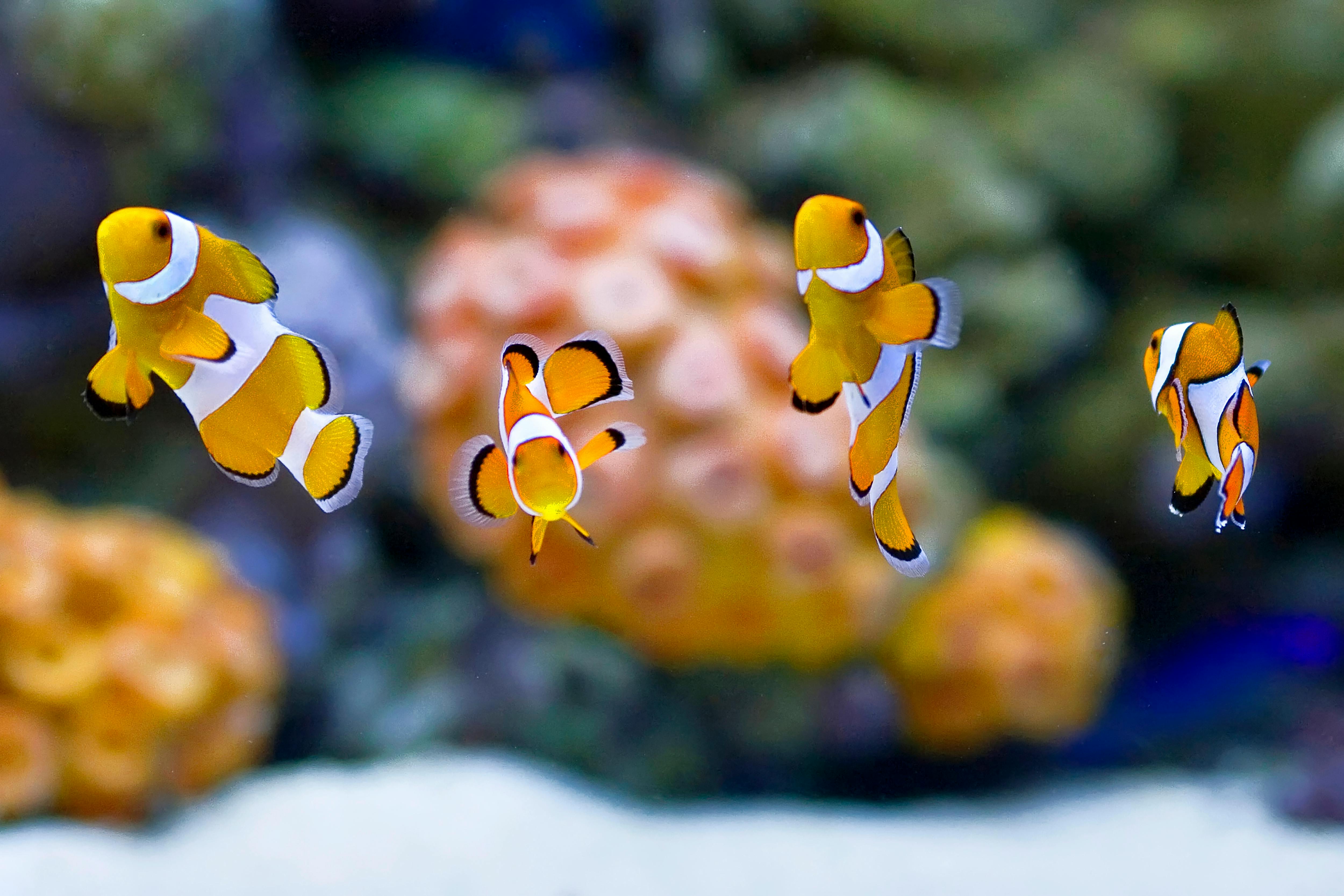
Maintaining a thriving aquarium requires more than just filling a tank with water and adding fish. The longevity of aquatic life, the clarity of water, and the overall health of the ecosystem depend heavily on regular upkeep of essential equipment. From filtration units to lighting fixtures, each component plays a pivotal role in creating a stable environment. Understanding the specific maintenance tasks for these pieces of equipment not only prevents costly breakdowns but also enhances the aesthetic and biological balance of any aquarium setup.
Filtration System Care
Filters are the heart of any aquarium, removing waste, toxins, and excess nutrients. Proper maintenance ensures optimal flow rates and effective biological filtration.
Routine Checks
- Inspect intake screens weekly for debris buildup.
- Verify that the pump motor runs smoothly without unusual noises.
- Monitor pressure gauges (if equipped) to detect clogs early.
Deep Cleaning Schedule
- Backwash or rinse filter media according to manufacturer guidelines every 4-6 weeks.
- Replace mechanical media (sponges, floss) when it becomes saturated.
- Rinse biological media in tank water to preserve beneficial bacteria.
For detailed procedures on filter maintenance, Discover expert strategies here.
Lighting Maintenance
Lighting influences both the visual appeal of the aquarium and the health of photosynthetic organisms such as live plants and corals. Improper lighting can lead to algae overgrowth or stunted plant growth.
Cleaning the Fixtures
- Dust external lenses weekly with a soft, lint-free cloth.
- Remove and rinse internal glass covers using dechlorinated water.
- Check for cracked or cloudy bulbs and replace them promptly.
Adjusting Light Duration
- Maintain a consistent photoperiod, typically 8-10 hours for freshwater planted tanks.
- Use a programmable timer to avoid human error.
- Gradually adjust intensity when introducing new plant species.
Additional guidance on lighting schedules can be found by Learn about our tailored solutions.
Heater and Temperature Regulation
Stable temperature is crucial for the metabolic processes of fish and invertebrates. Fluctuations can cause stress, disease, or even mortality.
Calibration and Testing
- Calibrate digital thermometers monthly against a reliable reference.
- Place the heater in a location with good water flow to prevent hot spots.
- Verify that the thermostat switches on and off at the set temperature.
Preventive Maintenance
- Inspect silicone seals for cracks or leaks every 3 months.
- Replace heating elements that show signs of corrosion.
- Consider a backup heater for larger systems to avoid sudden temperature drops.
For a comprehensive overview of temperature control best practices, Explore advanced guides and tips.
Water Change Equipment
Efficient water changes rely on proper use of siphons, buckets, and dechlorination tools. Neglecting this equipment can lead to contamination or incomplete water exchanges.
Equipment Preparation
- Rinse all containers and siphon tubes with dechlorinated water before each use.
- Check that hoses are free of cracks or kinks that could restrict flow.
- Keep a stock of water conditioners and test kits near the change station.
Post-Change Maintenance
- Sanitize buckets and siphons with a mild bleach solution (1:100) after each session.
- Allow equipment to air-dry completely before storage to prevent mold.
- Rotate spare buckets to ensure even wear.
More detailed instructions on water change protocols are available at Find out more about this approach.
Automation and Monitoring Tools
Modern aquariums benefit from automated controllers for pH, ORP, and flow rates. Regular calibration and firmware updates keep these devices reliable.
- Schedule monthly firmware checks for controllers and smart plugs.
- Calibrate sensors using standard solutions before each breeding or plant cycle.
- Log data trends to identify early signs of equipment drift.
Guidance on integrating automation into a maintenance routine can be accessed by Explore advanced guides and tips.
Conclusion
Consistent, methodical maintenance of aquarium equipment is the foundation of a healthy, vibrant aquatic environment. By adhering to scheduled inspections, cleaning routines, and timely replacements, hobbyists can minimize unexpected failures and ensure that each component functions at its peak. Leveraging reliable resources and expert insights, such as those found at Discover expert strategies here, provides the knowledge needed to keep tanks thriving for years to come.
About the Author