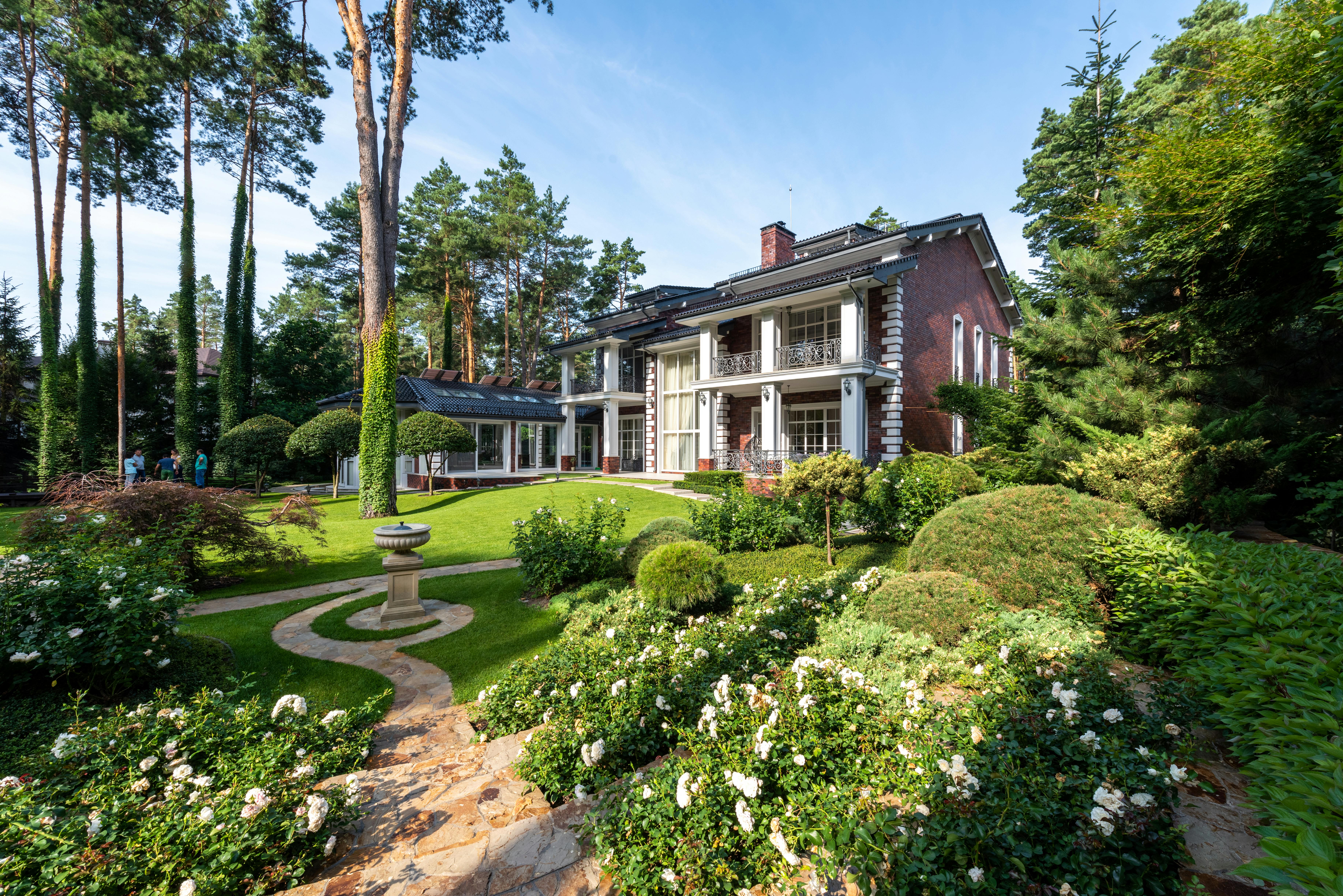
Creating an inviting outdoor space goes beyond simply planting a few shrubs or laying down fresh turf. A well-designed garden reflects personal style, enhances property value, and contributes to environmental health. Local landscape gardeners bring expertise in soil conditions, climate considerations, and regional plant selections that can transform any yard into a functional, aesthetically pleasing oasis. By collaborating with professionals who understand the nuances of the local ecosystem, property owners can achieve lasting results while minimizing maintenance demands.
Why Choose a Local Landscape Gardener?
Proximity offers several distinct advantages that larger, non-regional firms may not provide:
- Knowledge of native flora: Familiarity with plants that thrive naturally in the area reduces water usage and pesticide reliance.
- Understanding of micro-climates: Local experts can assess sun exposure, wind patterns, and drainage to tailor designs that perform year-round.
- Regulatory compliance: They stay up-to-date with council regulations, heritage overlays, and irrigation standards.
- Responsive service: Shorter travel distances mean quicker site visits, faster issue resolution, and more flexible scheduling.
For a deeper dive into the benefits of working with locally-based professionals, Read more about this topic.
Key Services Offered by Landscape Gardeners
Design Consultation
A thorough design phase sets the foundation for any successful garden. Landscape gardeners typically provide:
- Site analysis and soil testing.
- Concept sketches and 3D renderings.
- Plant selection aligned with aesthetic goals and maintenance preferences.
To explore the elements that make a design both beautiful and functional, Learn more in this detailed guide.
Installation & Construction
Installation involves turning plans into reality. Core tasks include:
- Hardscape work – patios, pathways, retaining walls.
- Softscape planting – trees, shrubs, groundcovers.
- Irrigation system setup – drip lines, rain sensors, smart controllers.
For practical tips on what to expect during the construction phase, Explore further insights here.
Maintenance & Seasonal Care
Even the best-designed garden requires ongoing attention. Maintenance packages often cover:
- Pruning, mulching, and weed control.
- Fertilisation schedules tailored to plant species.
- Seasonal clean-ups and preparation for extreme weather.
Details on sustainable maintenance practices can be found by Find additional information here.
Design Considerations for Different Property Types
Whether the space is a compact urban courtyard or a sprawling suburban lawn, certain principles apply universally. Below are guidelines for three common property categories:
Urban Gardens
- Maximise vertical space with trellises and wall-mounted planters.
- Choose low-maintenance, drought-tolerant species to cope with limited soil volume.
- Incorporate multifunctional furniture that doubles as storage.
Suburban Yards
- Blend hardscape and softscape to create zones for entertainment, play, and relaxation.
- Integrate native grasses and wildflower meadows to support local wildlife.
- Consider a rain garden to manage runoff and enhance biodiversity.
Rural Properties
- Utilise larger trees for shade and windbreaks, reducing energy costs.
- Develop functional pathways for livestock or equipment access.
- Implement water-wise irrigation that draws from sustainable sources such as tanks or boreholes.
Budgeting and Cost Management
Effective budgeting ensures the project stays within financial limits while achieving design goals. Follow these steps:
- Set priorities: Identify must-have features versus nice-to-have elements.
- Obtain multiple quotes: Compare detailed proposals to understand cost drivers.
- Phase the work: Implement the design in stages to spread expenses over time.
- Choose native plants: They often cost less to install and maintain.
For a comprehensive overview of cost-effective landscaping strategies, Read more about this topic.
Environmental Benefits of Professional Landscaping
Beyond visual appeal, a thoughtfully designed garden contributes to ecological health:
- Improved air quality: Plants absorb pollutants and release oxygen.
- Stormwater management: Permeable surfaces and rain gardens reduce runoff.
- Habitat creation: Native flora supports birds, insects, and small mammals.
- Carbon sequestration: Trees store carbon, mitigating climate change impacts.
Insights on integrating sustainability into landscape projects are available at Learn more in this detailed guide.
Steps to Engage a Landscape Gardener
Choosing the right professional involves a clear process:
- Research local practitioners and review portfolio examples.
- Schedule an on-site consultation to discuss objectives and constraints.
- Request a written proposal outlining scope, timeline, and costs.
- Confirm licensing, insurance, and any required permits.
- Establish a communication plan for progress updates and approvals.
For a checklist that streamlines this engagement, Explore further insights here.
Conclusion
Investing in professional landscape gardening services offers a blend of aesthetic enhancement, functional improvement, and environmental stewardship. By leveraging the expertise of local gardeners, property owners can create resilient, low-maintenance outdoor spaces that reflect personal taste while adding long-term value. Whether starting from a blank canvas or revitalising an existing garden, the collaborative approach ensures that every element, from plant selection to irrigation design, aligns with regional conditions and sustainable practices. The result is a harmonious landscape that not only pleases the eye but also supports the health of the surrounding ecosystem.
About the Author