Liposomal delivery systems have transformed the way active ingredients are absorbed, offering a sophisticated blend of science and practicality. By encapsulating nutrients, pharmaceuticals, or cosmetic actives within phospholipid vesicles, liposomal formulas protect their contents from degradation, enhance bioavailability, and enable targeted delivery. This article explores the core benefits, practical applications, and emerging trends of liposomal technology, providing a clear roadmap for professionals seeking to integrate these advanced solutions into their product portfolios.
How Liposomal Formulas Work
At the heart of a liposomal system lies a spherical bilayer of phospholipids that mimics cellular membranes. This structure creates a protective environment for the encapsulated ingredient, allowing it to traverse the gastrointestinal tract or skin barrier more efficiently. Key mechanisms include:
- Encapsulation: Active molecules are enclosed within the aqueous core or inter-lamellar spaces.
- Protection: The phospholipid shell shields sensitive compounds from oxidation, enzymatic breakdown, and pH fluctuations.
- Enhanced Permeation: Liposomes fuse with cell membranes, facilitating direct intracellular delivery.
- Controlled Release: Vesicle size and composition can be tuned to release the payload over a desired timeframe.
Primary Benefits of Liposomal Delivery
Improved Bioavailability
Traditional oral supplements often suffer from poor absorption rates. Liposomal encapsulation can increase bioavailability by up to 3-5 times, ensuring that a greater proportion of the active ingredient reaches systemic circulation.
Stability and Shelf-Life Extension
Phospholipid membranes act as a barrier against environmental stressors, preserving potency even under adverse storage conditions. This stability translates to longer shelf lives and reduced waste.
Targeted and Controlled Release
By adjusting vesicle size (nanometer to micrometer range) and lipid composition, formulators can design products that release their actives at specific sites, whether in the bloodstream, within specific tissues, or on the skin surface.
Reduced Dosage Requirements
Higher efficiency means lower amounts of active ingredient are needed to achieve the same therapeutic effect, which can lower production costs and minimize potential side effects.
Key Applications Across Industries
Nutraceuticals and Dietary Supplements
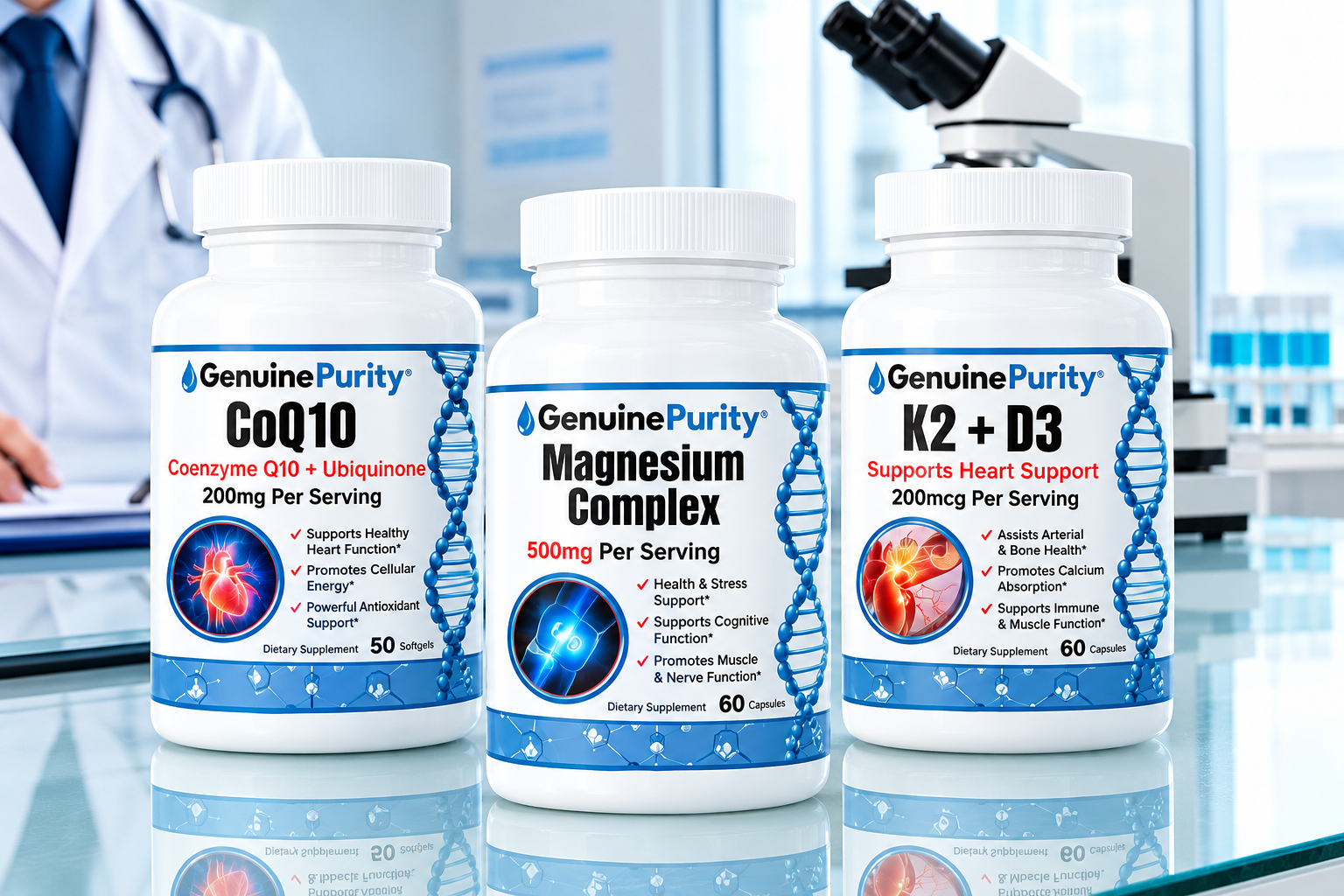
Vitamins such as C, B12, and CoQ10 benefit significantly from liposomal delivery, providing consumers with faster, more reliable results. For a curated selection of liposomal supplements, Discover expert strategies here.
Pharmaceuticals
Drug candidates with low solubility or high degradation rates are prime candidates for liposomal encapsulation. This approach can improve therapeutic outcomes for anticancer agents, antibiotics, and antiviral medications.
Cosmetics and Skincare
Active ingredients like retinol, peptides, and antioxidants achieve deeper penetration when delivered via liposomes, leading to enhanced efficacy and reduced irritation. Learn about our tailored solutions for advanced skincare formulations.
Functional Foods and Beverages
Incorporating liposomal nutrients into drinks or fortified foods ensures that consumers receive the intended health benefits without compromising taste or stability.
Formulation Considerations
- Phospholipid Source: Soy, sunflower, or egg yolk phospholipids each impart distinct stability and allergen profiles.
- Particle Size Distribution: Nano-liposomes (<100"?nm) offer superior skin penetration, while larger vesicles may be preferable for oral delivery.
- Encapsulation Efficiency: Optimizing the ratio of active to lipid influences loading capacity and release kinetics.
- Manufacturing Technique: Methods such as thin-film hydration, microfluidics, or high-pressure homogenization affect uniformity and scalability.
- Regulatory Compliance: Ensure that all excipients meet relevant pharmacopeial standards and that labeling accurately reflects the delivery system.
Emerging Trends and Future Outlook
Research continues to push the boundaries of liposomal technology. Notable developments include:
- Hybrid Vesicles: Combining lipids with polymers to create more robust, stimuli-responsive carriers.
- Targeting Ligands: Surface modification with antibodies or peptides for organ-specific delivery.
- Personalized Nutrition: Tailoring liposomal supplement blends based on individual genetic or metabolic profiles.
- Sustainable Production: Utilizing plant-based phospholipids and green manufacturing processes to reduce environmental impact.
Professionals seeking to stay ahead of the curve can Explore advanced guides and tips that delve deeper into these innovations.
Implementing Liposomal Solutions in Your Portfolio
Integrating liposomal formulas requires a strategic approach that balances scientific rigor with market demand. Consider the following steps:
- Identify high-value actives that suffer from poor bioavailability.
- Partner with a reputable lipid supplier to source high-purity phospholipids.
- Choose an appropriate encapsulation method aligned with scale-up capabilities.
- Conduct stability and release testing under realistic storage and use conditions.
- Develop clear, compliant labeling that communicates the benefits of liposomal delivery.
For a comprehensive roadmap, Find out more about this approach and access resources that streamline product development.
Conclusion
Liposomal formulas represent a versatile, science-driven platform that enhances the performance of nutrients, drugs, and cosmetic actives. By improving stability, bioavailability, and targeted delivery, these systems address longstanding challenges across multiple sectors. As research advances and manufacturing becomes more efficient, liposomal technology is poised to become a cornerstone of next-generation product innovation. Embracing these solutions today equips brands with a competitive edge and positions them at the forefront of functional, high-impact formulations.
About the Author