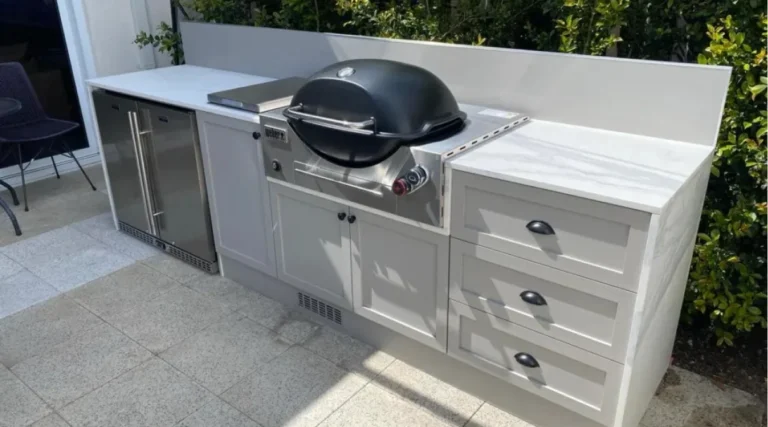
Creating an outdoor kitchen transforms a backyard into a functional extension of the home, offering a space for cooking, entertaining, and enjoying the Australian climate. Choosing the right design, materials, and appliances for an outdoor kitchen in Perth involves balancing aesthetics, durability, and lifestyle needs. This guide walks through the essential considerations, helping homeowners make informed decisions that result in a seamless, long-lasting addition to their property.
Assess Your Lifestyle and Usage Patterns
Understanding how the space will be used is the first step toward a successful outdoor kitchen project. Ask the following questions:
- Will the kitchen serve daily family meals, occasional weekend barbecues, or large-scale entertaining?
- How many people typically gather, and what type of cooking do you enjoy (grilling, smoking, pizza ovens, etc.)?
- Do you need a dedicated dining area, bar seating, or a lounge zone nearby?
Answers to these questions guide decisions on countertop size, appliance selection, and the overall layout, ensuring the space aligns with real-world habits rather than aspirational ideas.
Choose the Right Layout
Three common layout configurations dominate the market for outdoor kitchens perth:
L-Shaped
- Ideal for corner installations.
- Provides separate zones for cooking, prep, and serving.
- Allows easy flow between indoor and outdoor living areas.
U-Shaped
- Offers maximum countertop space.
- Creates a “work triangle” that mimics indoor kitchens.
- Best for larger backyards where space is not a constraint.
Island
- Serves as a focal point for social interaction.
- Can incorporate a grill, sink, and storage within the same unit.
- Requires careful planning for ventilation and clearances.
When selecting a layout, consider sightlines from the indoor kitchen, the position of the sun, and prevailing winds to ensure comfort and safety.
Material Selection for Durability and Style
Perth’s climate, hot summers, occasional heavy rain, and salty coastal breezes, demands robust materials that resist corrosion, heat, and UV damage.
Countertops
- Granite: Naturally heat-resistant and available in a range of colors.
- Concrete: Customizable finish, can be sealed for water resistance.
- Stainless-steel: Ideal for a modern look; easy to clean but can show scratches.
Cabinetry
- Marine-grade stainless steel or powder-coated aluminum for maximum corrosion resistance.
- High-density fiberboard (HDF) with waterproof laminates for a cost-effective alternative.
Flooring
- Natural stone (e.g., travertine) offers slip resistance and a timeless aesthetic.
- Porcelain tiles are lightweight, low-maintenance, and available in many patterns.
- Composite decking blends wood appearance with durability.
Appliance Considerations
Choosing appliances that are purpose-built for outdoor use ensures longevity and safety. Key components include:
- Grill: Gas, charcoal, or hybrid models, select based on flavor preference and maintenance willingness.
- Side burners: Useful for sauces, side dishes, or boiling water.
- Refrigeration: Outdoor-rated fridges keep beverages and perishables within reach.
- Pizza oven: Adds a gourmet touch; wood-fired for authentic flavor.
- Sink with faucet: Facilitates prep and cleanup; consider a foot-pedal valve for hands-free operation.
All appliances should carry an outdoor rating (e.g., IPX4 or higher) to guarantee protection against splashing and dust.
Integrate Lighting and Electrical Planning
Proper illumination extends the usability of the kitchen into the evening and enhances safety. Recommended lighting layers include:
- Task lighting: Under-counter LED strips for precise cooking work.
- Ambient lighting: Soft uplights on walls or pergolas to create mood.
- Accent lighting: Spotlights highlighting the grill or decorative features.
Engage a licensed electrician to install GFCI-protected circuits, ensuring compliance with Australian standards and protecting against moisture-related hazards.
Consider Weather Protection
Perth’s sunny days and occasional rainstorms make weather-proofing essential. Options include:
- Retractable awnings: Provide shade while allowing flexibility.
- Fixed pergolas with louvered roofs: Offer adjustable ventilation and sun control.
- Enclosed cabinets: Seal storage areas from the elements.
Choosing the right solution helps maintain consistent cooking temperatures and protects equipment from premature wear.
Budgeting and Cost Management
While the upfront investment can vary widely, a clear budgeting framework prevents surprises:
- Design and planning: 10-15% of total cost.
- Materials: 30-40% (countertops, cabinets, flooring).
- Appliances: 25-35% (grill, burners, refrigeration).
- Installation and permits: 10-15%.
Allocate a contingency of 5-10% for unexpected site conditions or design tweaks.
Professional Installation vs. DIY
Although DIY kits are available, professional installation offers several advantages:
- Accurate measurement and alignment, reducing material waste.
- Compliance with building codes and safety regulations.
- Access to trade-only warranties on appliances and structural components.
For homeowners confident in their skill set, a hybrid approach, designing the layout and selecting materials, then hiring licensed trades for electrical and plumbing, can balance cost and quality.
Maintenance Tips for Longevity
Regular upkeep keeps an outdoor kitchen looking pristine and functioning efficiently:
- Clean grills after each use to prevent buildup.
- Seal stone countertops annually to protect against stains.
- Inspect stainless-steel fixtures for rust and polish as needed.
- Cover appliances during the off-season or use weather-proof enclosures.
Finding Inspiration and Local Expertise
Exploring local showrooms and online galleries provides insight into design trends and material finishes that suit Western Australian homes. When reviewing portfolios, look for projects that incorporate alfresco kitchens perth concepts, as these often blend indoor and outdoor living seamlessly.
Final Thoughts
Choosing the best outdoor kitchen for a Perth home is a multifaceted process that balances personal lifestyle, climate considerations, material durability, and budget. By systematically evaluating each element, layout, materials, appliances, lighting, weather protection, and professional expertise, homeowners can create a functional, stylish space that enhances both daily living and entertainment experiences. A well-planned outdoor kitchen not only adds value to the property but also encourages a healthier, more social way of enjoying the beautiful Western Australian outdoors.
About the Author