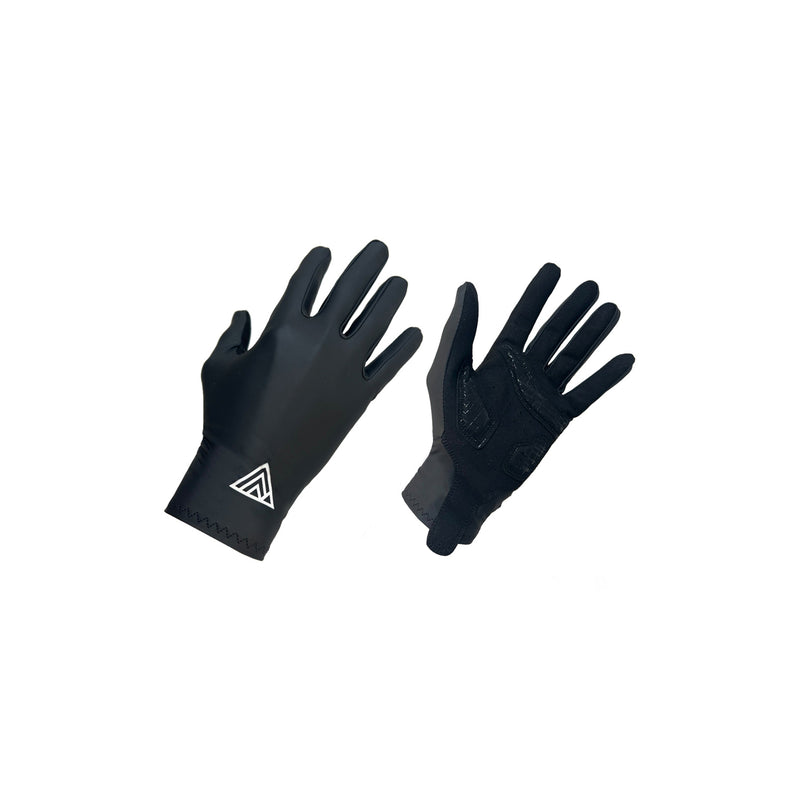
When speed, precision, and comfort intersect on the tarmac, the choice of gloves becomes a decisive factor. Elite riders demand equipment that minimizes drag, maximizes control, and endures the rigors of high-intensity training. The market for aerodynamic handwear has evolved beyond simple padding, offering sophisticated fabrics, ergonomic shaping, and micro-ventilation systems that together enhance performance. This guide examines the key attributes of the best aero cycling gloves for serious competitors, outlines how these features translate into tangible benefits, and highlights top models that consistently deliver results in the most demanding race environments.
Core Features That Define Elite Aero Gloves
1. Aerodynamic Construction
- Seamless panels: Laser-cut stitching eliminates protruding seams that can disturb airflow.
- Low-profile cuff: Tapers toward the wrist, reducing the frontal area without sacrificing wrist support.
- Integrated silicone grip zones: Positioned to maintain contact with the handlebars while preserving a sleek silhouette.
2. Advanced Materials
- Carbon-infused Lycra: Provides a lightweight, stretch-responsive shell that conforms to the hand.
- Shear-thinning gel padding: Softens under pressure for comfort, yet stiffens during high-force sprints to improve power transfer.
- Moisture-wicking micro-fibers: Pull sweat away from the skin, keeping the grip consistent throughout long rides.
3. Ergonomic Fit and Control
- Anatomical thumb pocket: Aligns the thumb with the natural grip angle, reducing fatigue on climbs.
- Pre-curved fingers: Mirrors the natural hand position on aero bars, minimizing the need for readjustment.
- Adjustable Velcro strap: Allows micro-tuning of tension for a secure yet comfortable fit.
4. Thermal Regulation
- Ventilation perforations: Strategically placed micro-holes promote airflow without compromising structural integrity.
- Insulating mesh lining: Retains warmth in cool conditions while still allowing breathability.
Benefits for Competitive Cyclists
- Reduced drag: Streamlined glove profiles can shave 0.5-1.0″?seconds off a 40″?km time trial, a margin that often decides podium placement.
- Improved power transfer: Firm yet flexible padding ensures that hand forces are transmitted directly to the handlebars, enhancing acceleration out of corners.
- Enhanced comfort over long distances: Moisture-management and ergonomic shaping prevent numbness and hot-spots during multi-hour efforts.
- Consistent grip in variable weather: Silicone zones stay tacky even when wet, while the breathable shell prevents sweat buildup that could cause slippage.
- Durability under high stress: Reinforced stitching and abrasion-resistant fabrics extend the service life of the gloves, delivering value for the investment.
Top Picks for Elite Performance
1. Velocity Pro Aero Gloves
Designed with a carbon-Lycra blend and a patented “Flow-Lock” silicone grip, these gloves excel in time-trial scenarios. The low-profile cuff and seamless construction make them a benchmark for cycling aero gloves. Riders report a noticeable reduction in wind noise and a smoother feel on aero bars.
2. Apex Ultra-Fit Aero Gloves
The Apex series integrates shear-thinning gel pads that adapt to the rider’s grip pressure. This dynamic response provides comfort on climbs while stiffening during sprints, a feature prized by those seeking aero gloves cycling in varied terrain. The glove’s ventilation matrix also keeps hands cool in hot conditions.
3. Titan Race-Ready Performance Gloves
Targeted at professional road racers, the Titan model combines an ergonomic thumb pocket with an adjustable strap system for a custom fit. Its reinforced palm area tolerates the high torque generated in sprint finishes, making it a reliable choice for cycling race gloves. The glove’s sleek silhouette aligns with the aerodynamic demands of elite competition.
How to Choose the Right Pair
- Fit first: Try gloves on with the typical riding hand position; there should be no pinching or excess slack.
- Assess the grip surface: Look for silicone patterns that complement the handlebar shape you use most (drop bars, aerobars, or time-trial bars).
- Consider climate: If racing in cooler climates, prioritize insulated liners; for hot weather, focus on ventilation.
- Check durability ratings: High-stress areas like the palm and thumb should feature reinforced stitching.
- Match your discipline: Time-trialists may favor ultra-low-profile gloves, while criterium riders might need a balance of aerodynamics and tactile feedback.
Maintenance Tips for Longevity
- Hand-wash with mild detergent and air-dry to preserve the silicone grip.
- Avoid machine drying; excessive heat can degrade the elastic fibers.
- Inspect seams and padding regularly; replace gloves once the gel begins to harden.
- Store in a breathable pouch to prevent moisture buildup between rides.
Conclusion
For riders chasing marginal gains, the selection of performance cycling gloves is as strategic as bike geometry or power output. By focusing on aerodynamic shape, advanced materials, ergonomic fit, and temperature control, elite cyclists can secure a competitive edge while maintaining comfort over long distances. Investing in the right pair of aero gloves translates directly into reduced drag, better power transfer, and sustained grip, critical factors that separate podium finishes from the rest of the pack. The models highlighted above represent the current pinnacle of design and technology, offering a reliable foundation for any rider aspiring to excel in the most demanding race environments.
About the Author