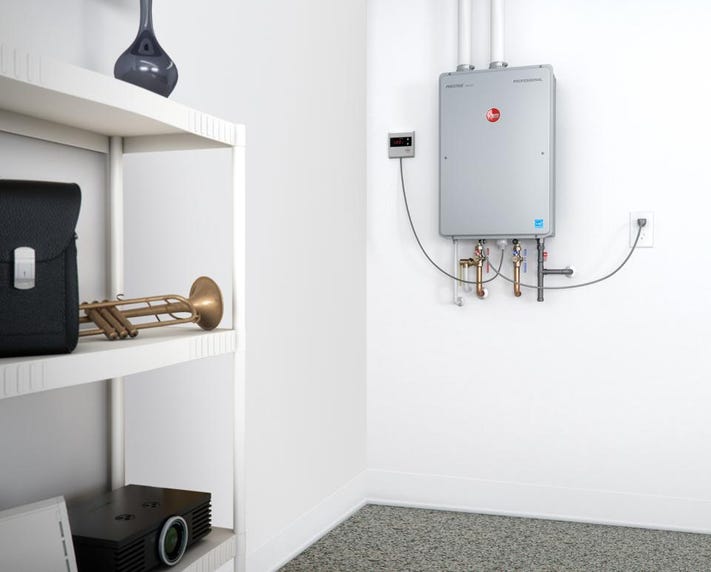
As homeowners increasingly seek efficient and cost-effective solutions for their household needs, the adoption of tankless water heaters has become more prevalent. Unlike traditional water heaters that store and continuously heat water in a tank, tankless models heat water on demand, offering numerous advantages. This article explores the benefits of upgrading to a tankless water heater, providing insights into why this transition might be a wise decision for both energy efficiency and long-term savings.
Energy Efficiency
One of the primary benefits of a tankless water heater is its remarkable energy efficiency. Traditional water heaters continuously heat and reheat water to maintain a constant temperature, leading to energy wastage. In contrast, tankless systems operate only when hot water is needed, reducing energy consumption significantly.
- On-demand heating minimizes standby energy losses.
- Potential to reduce overall energy usage by 24-34% in households that use less than 41 gallons of hot water daily.
- Environmentally friendly choice, contributing to a lower carbon footprint.
Space-Saving Design
Space constraints are a common concern in modern households. The compact design of a tankless water heater provides a practical solution, especially in homes where space is at a premium.
- Wall-mounted units free up floor space.
- Ideal for small apartments or homes with limited utility room space.
- Flexibility in installation locations, including attics, closets, or exterior walls.
Unlimited Hot Water Supply
Unlike tank-based systems that can run out of hot water, a tankless water heater provides an endless supply, ensuring that hot water is available whenever needed.
- Consistent water temperature during high-demand periods.
- Eliminates the need to wait for a tank to refill and reheat.
- Perfect for large families or homes with multiple bathrooms.
Longevity and Durability
Tanked systems typically have a lifespan of 10-15 years, whereas tankless water heaters can last up to 20 years or more, making them a more durable choice.
- Less prone to corrosion and leaks compared to tank-based models.
- Reduced maintenance requirements due to fewer components.
- Long-term investment that can result in lower replacement costs.
Cost Considerations
While the initial cost of a tankless water heater can be higher than that of traditional models, the long-term savings and benefits can outweigh this upfront expense.
- Lower energy bills due to increased efficiency.
- Potential eligibility for energy rebates and tax incentives.
- Reduced need for frequent repairs or replacements.
Conclusion
The decision to upgrade to a tankless water heater involves weighing the initial costs against the long-term benefits of energy efficiency, space savings, and an uninterrupted supply of hot water. As more homeowners prioritize sustainable and practical solutions, tankless systems offer a compelling alternative to traditional water heating methods. For those interested in exploring the advantages of a tankless water heater, further research and consultation with a professional can provide tailored advice to meet specific household needs.
About the Author