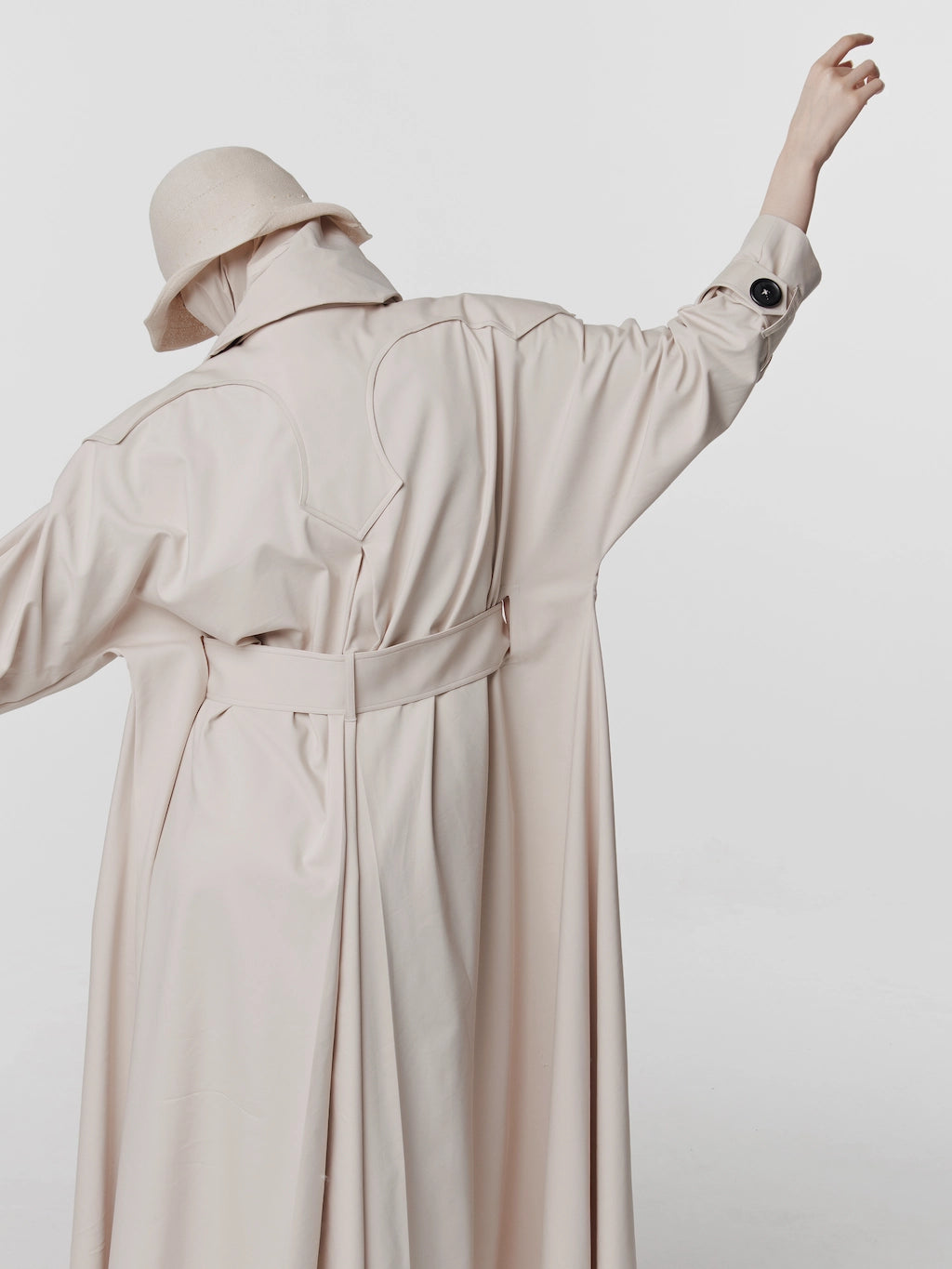
Muslim women’s clothing is a beautiful expression of cultural identity and religious devotion. It is a rich tapestry of traditions that have evolved over centuries, blending modesty with elegance and practicality. This attire is more than just fabric; it is a representation of values and beliefs that are cherished by millions around the world. The diversity of styles, materials, and designs in Muslim women’s clothing reflects the cultural variety within the Islamic world, offering a fascinating insight into how fashion can be both deeply personal and universally profound.
The Essence of Modesty in Muslim Women’s Clothing
At the heart of Muslim women’s clothing is the principle of modesty, which is central to the Islamic faith. Modesty in dress is seen as a reflection of inner dignity and respect. This principle is manifest in several forms of attire, each with its own cultural significance and aesthetic beauty.
Key Elements of Modest Attire
- Hijab: The hijab is perhaps the most recognized symbol of modesty. It is a headscarf that covers the hair and neck, symbolizing privacy and respect.
- Abaya: A flowing robe-like dress, the abaya is popular in many Muslim-majority countries. It embodies elegance and is often adorned with intricate designs.
- Jilbab: Similar to the abaya, the jilbab is a long, loose-fitting coat or cloak, providing full coverage of the body.
- Niqab: Some women choose to wear the niqab, which covers the face, leaving only the eyes visible, as a form of heightened modesty.
For those interested in delving deeper into the cultural significance of these garments, it is beneficial to explore advanced guides and tips on their historical and contemporary relevance.
The Role of Fabrics and Designs
The choice of fabric and design in Muslim women’s clothing is as important as the garment itself. Fabrics are chosen not only for their aesthetic appeal but also for their comfort and appropriateness for the climate.
Popular Fabrics
- Cotton: Favored for its breathability and comfort, especially in warmer climates.
- Silk: Often used for special occasions due to its luxurious feel and elegant appearance.
- Wool: Preferred in cooler climates for its warmth and durability.
Designs can vary widely, from plain and simple to ornate and embellished. Many designers offer tailored solutions that cater to individual preferences while adhering to the principles of modesty.
Fashion and Modern Interpretations
Muslim women’s clothing has seen a surge in modern interpretations, where traditional garb meets contemporary fashion. This fusion allows for a creative expression that respects religious guidelines while embracing modern aesthetics.
Examples of Modern Interpretations
- Layering: Combining different garments to create a unique, personalized look.
- Bold Patterns: Incorporating vibrant colors and patterns that make a statement while maintaining modesty.
- Innovative Cuts: Adapting traditional cuts to create more modern silhouettes.
To understand how these trends are evolving and influencing the global fashion scene, discover expert strategies here.
Conclusion
The beauty of Muslim women’s clothing lies in its ability to balance tradition with modernity, modesty with elegance. It is a vibrant and dynamic form of expression that continues to inspire and influence the world of fashion. For those looking to delve deeper into the intricacies and innovations of this attire, it is worthwhile to find out more about this approach and appreciate the artistry and thought that goes into each piece.
About the Author